Choosing a floor rug
A floor rug does three jobs at once: it defines a seating area in an open-plan room, it softens hard floors and the echo that comes with them, and it brings colour and texture into a room that is otherwise timber, stone and neutral upholstery. Most rug mistakes come from buying too small, so start with size, then fibre, then colour.
Size: bigger than you think
In a living room the rug should be large enough for at least the front legs of the sofa and armchairs to sit on it, so the furniture and the rug read as one arrangement rather than a rug floating in the middle. For a three-seater sofa with two armchairs that usually means a rug around 200 x 300 cm; for a modular or corner lounge in an open-plan room, 240 x 340 cm or an extra-large rug of 300 x 400 cm. Under a dining table, add 60 to 70 cm on every side of the table so chairs stay on the rug when pulled out. In a bedroom, a large rug under the bottom two-thirds of the bed, or a runner down each side, gives bare feet somewhere soft to land. Round rugs suit a round dining table, a reading corner or an entry; measure the space, then tape the size on the floor before you decide.
Wool, jute or a blend
Wool rugs are the benchmark: naturally soft, resilient underfoot, warm in winter and cool in summer, and they hide marks and recover from furniture pressure better than any synthetic. Hand-knotted wool rugs are the most durable and the most detailed; handloomed and hand-tufted wool rugs give the same feel at a lower price and are the most popular choice for family living rooms. Jute rugs and wool-jute blends bring a natural, coastal texture and suit a Hamptons or contemporary coastal room; pure jute is firmer underfoot and happiest away from damp. Vintage-look distressed rugs, in soft faded medallion and border patterns, add pattern without strong colour and are forgiving in busy rooms. Textured boucle and looped-pile rugs add depth in a neutral scheme.
Colour and pattern
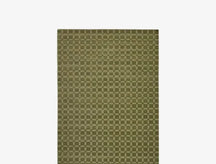
In a room with a strong lounge or artwork, a neutral rug in sand, stone, oat or chocolate grounds everything. In a neutral room, the rug is the place to add colour: olive, terracotta, rose brown, charcoal or a faded vintage pattern. Pattern hides crumbs and pet hair; a plain pale rug shows them. Look at the rug with the lounge fabric in natural light, because a cream rug beside a white sofa can read as yellow.
Living with a rug
Use a rug underlay on hard floors: it stops the rug creeping, protects the floor and makes the rug feel thicker. Vacuum without the beater bar on wool and jute, rotate the rug once or twice a year so the sun fades it evenly, and blot spills rather than rubbing. A good wool rug outlasts the lounge it sits under.
Finishing the room
The rug anchors the lounge, the coffee table sits in its centre, and cushions and a throw pick up one of its colours. Under the dining table, choose a flat-weave or low-pile rug so chairs slide easily.
See them in a Perth showroom
The Furniture Gallery is WA owned and family run, with showrooms across Perth and regional WA. Walk on the rugs, feel the pile and compare the colours beside the lounges on the floor. When you have chosen, add the rug to your cart and enter your postcode for a delivery price; our white-glove delivery team will unroll it in place and take the packaging away.